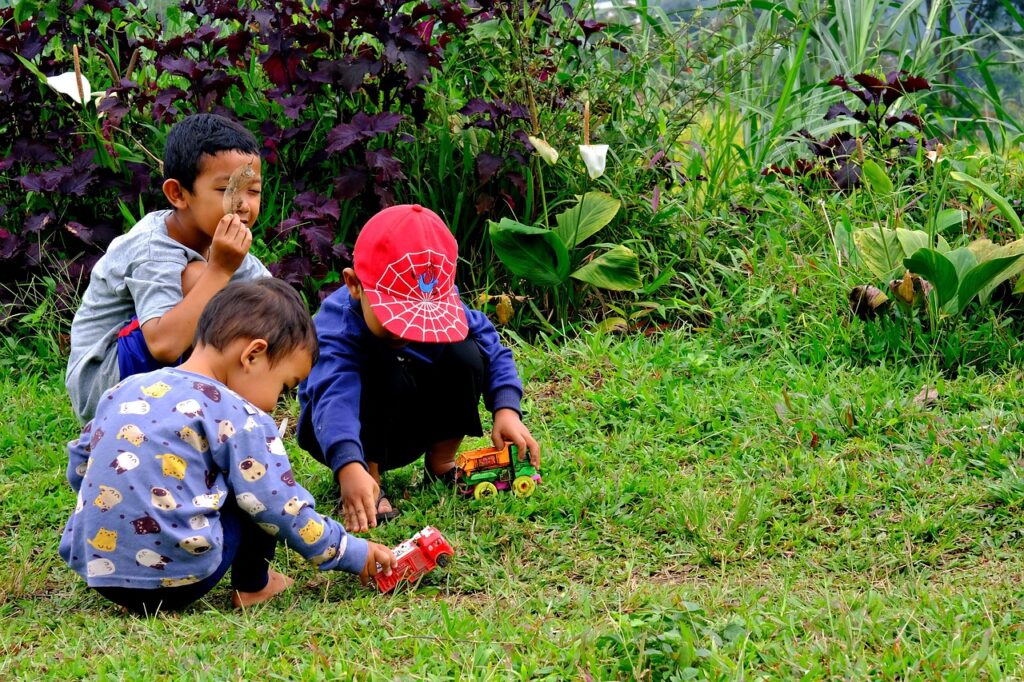
In today’s fast-paced world filled with screens and schedules, it’s easy for children to spend more time indoors than outside. However, the benefits of outdoor play for child development are undeniable. From physical health to cognitive and social-emotional skills, the great outdoors offers a myriad of opportunities for children to learn, grow, and thrive. In this blog post, we’ll delve into the importance of outdoor play and explore how it positively impacts children’s development.
Physical Health: Outdoor play provides children with the space and freedom to engage in physical activities that promote health and well-being. Whether it’s running, jumping, climbing, or riding a bike, outdoor environments offer endless opportunities for movement and exercise. Regular physical activity strengthens muscles, improves coordination and balance, and contributes to overall fitness levels. Additionally, exposure to natural sunlight helps children maintain healthy vitamin D levels, which is essential for bone health and immune function.
Sensory Exploration: Nature stimulates the senses in ways that indoor environments simply cannot replicate. From feeling the texture of leaves to listening to the chirping of birds and smelling the fragrance of flowers, outdoor settings provide rich sensory experiences that ignite children’s curiosity and creativity. Sensory exploration fosters cognitive development by enhancing observation skills, spatial awareness, and problem-solving abilities.
Social Interaction: Outdoor play encourages social interaction and collaboration among children. Whether they’re building sandcastles in the sandbox, playing tag on the playground, or exploring nature trails together, outdoor environments offer ample opportunities for children to engage in cooperative play, negotiate conflicts, and develop essential social skills. Through unstructured play in natural settings, children learn valuable lessons about communication, empathy, and teamwork.
Risk-taking and Resilience: Outdoor play encourages children to take calculated risks and step outside their comfort zones. Climbing a tree, crossing a creek, or navigating uneven terrain requires courage, confidence, and resilience. By facing challenges and overcoming obstacles in outdoor settings, children develop a sense of mastery and self-efficacy. They learn to assess risks, make decisions, and bounce back from setbacks, which are essential skills for navigating life’s uncertainties.
Creativity and Imagination: The open-ended nature of outdoor play sparks children’s imagination and creativity. Nature serves as a blank canvas for imaginative play, where sticks become swords, rocks transform into treasure, and fallen logs become pirate ships. Outdoor environments inspire children to invent their own games, stories, and adventures, fostering creativity, innovation, and self-expression.
Environmental Stewardship: Engaging with nature from an early age instills a sense of appreciation and respect for the environment. As children explore the natural world, they develop a connection to the plants, animals, and ecosystems that surround them. This connection lays the foundation for environmental stewardship and encourages responsible behavior towards the planet.
In conclusion, outdoor play is not just leisure; it’s an essential component of childhood development. By providing children with opportunities to explore, discover, and connect with the natural world, we empower them to become healthy, happy, and resilient individuals. So, let’s encourage our children to put down their devices, step outside, and embark on adventures in the great outdoors. After all, the world is their playground, waiting to be explored.