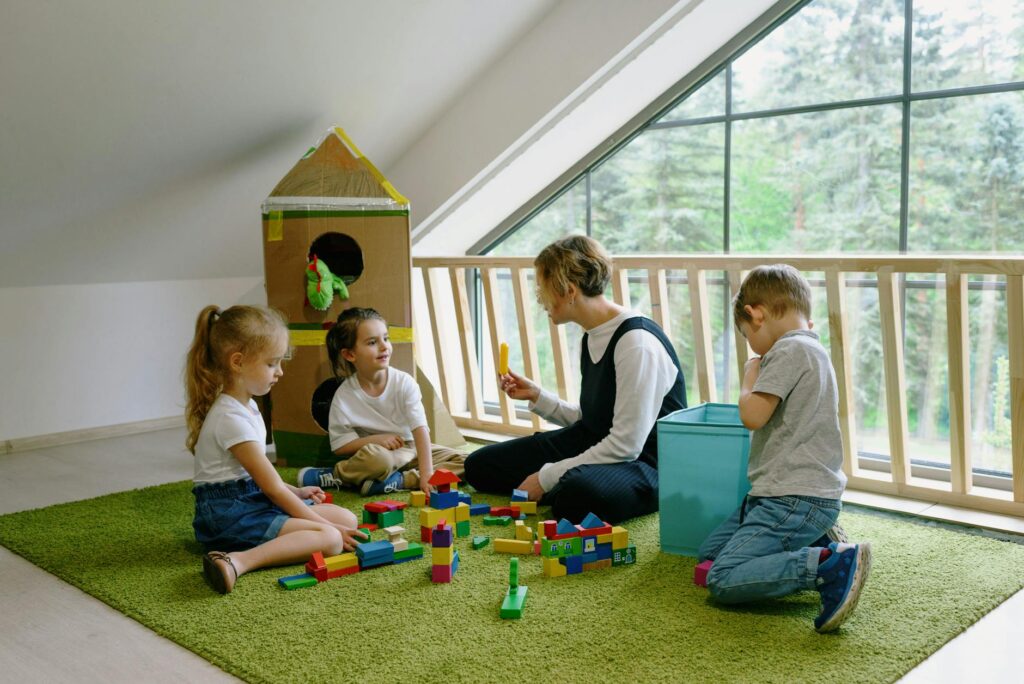
In the dynamic and crucial realm of childcare, establishing clear and effective rules and boundaries is a cornerstone for creating a safe, nurturing environment. Children thrive when they understand expectations, feel secure, and know the limits of acceptable behavior. In this blog post, we’ll explore the significance of setting clear, firm, and respectable rules and boundaries in childcare and how it contributes to the overall well-being and development of young minds.
1. Safety First:
The primary objective of any childcare setting is to ensure the safety and well-being of the children. Establishing safety rules is paramount, covering areas such as proper use of equipment, designated play areas, and emergency procedures. Communicate these rules clearly to both children and caregivers, creating an environment where everyone is aware of potential risks and the necessary precautions to take.
2. Consistency is Key:
Consistency in enforcing rules is fundamental to their effectiveness. Children thrive on routine and predictability, and consistent enforcement helps build trust and a sense of security. When rules are consistently applied, children learn that boundaries are not arbitrary but serve as guidelines for appropriate behavior.
3. Clear Communication:
Effective communication is crucial when setting rules and boundaries. Use age-appropriate language to explain the reasons behind each rule, helping children understand the importance of following them. Encourage open dialogue, allowing children to express themselves and ask questions. This fosters a sense of mutual respect and understanding between caregivers and children.
4. Empowerment Through Involvement:
Involve children in the rule-setting process whenever possible. By including them in discussions about expectations and consequences, you empower them to take ownership of their behavior. This collaborative approach instills a sense of responsibility and encourages self-discipline.
5. Respectful Boundaries:
Teach children about personal space and the importance of respecting the boundaries of others. This includes both physical and emotional boundaries. Encourage positive social interactions while emphasizing the significance of asking for consent before engaging in certain activities.
6. Positive Reinforcement:
Reinforce positive behavior through praise and positive reinforcement. Celebrate achievements and adherence to rules, creating a positive atmosphere that encourages children to make good choices. Positive reinforcement helps children internalize the values associated with the rules, making them more likely to adhere to them willingly.
7. Adaptability and Flexibility:
Recognize that as children grow and develop, their needs and abilities change. Regularly reassess and update rules to ensure they remain relevant and appropriate for each child’s developmental stage. Be flexible in your approach, understanding that occasional adjustments may be necessary to meet the evolving needs of the children in your care.
Setting clear, firm, and respectable rules and boundaries in childcare is an investment in the well-being and future success of the children involved. By prioritizing safety, maintaining consistency, promoting open communication, and fostering a positive environment, caregivers can create a foundation that supports the healthy growth and development of the young minds entrusted to their care.