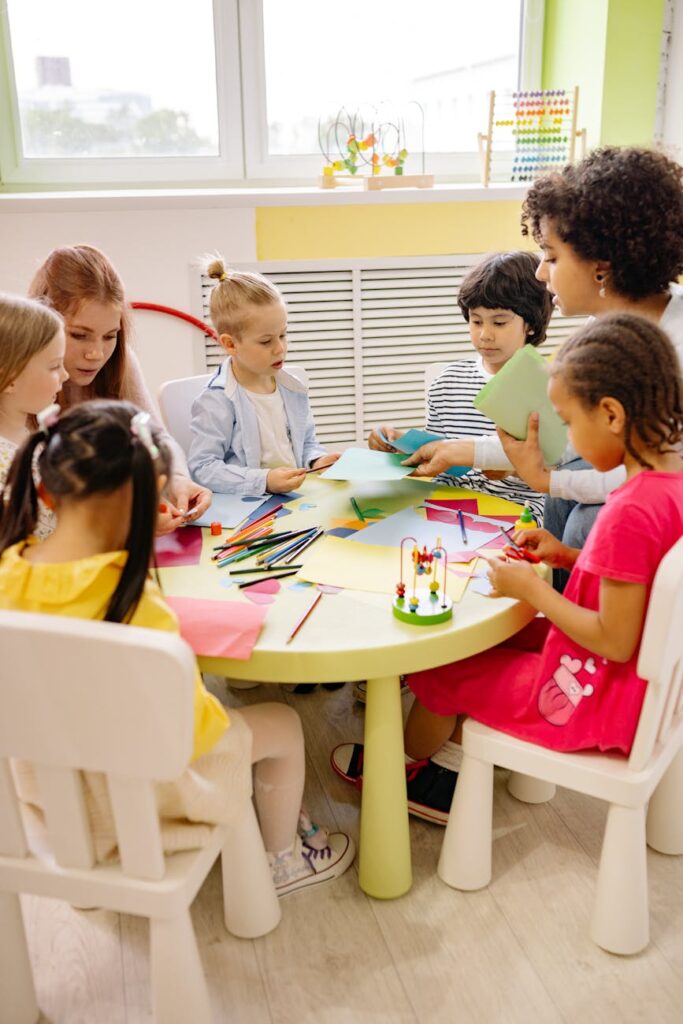
Ensuring the safety of children is of paramount importance in any educational setting. Beyond the traditional concerns of physical safety, it’s crucial to address the concept of “scene safety” in the children’s classroom. Scene safety refers to the creation and maintenance of a secure environment where students can learn, grow, and thrive without unnecessary risks. In this blog post, we’ll explore the significance of scene safety in the children’s classroom and discuss practical strategies for creating a safe haven for young learners.
The Foundation of Scene Safety:
Physical Safety:
The physical environment of a classroom plays a crucial role in ensuring scene safety. Regular safety assessments should be conducted to identify and eliminate potential hazards. This includes checking furniture arrangement, ensuring electrical outlets are secure, and maintaining a clutter-free space to prevent accidents.
Emotional Safety:
Creating a safe emotional environment is equally important. Teachers must foster an atmosphere of trust, respect, and inclusion. Establishing clear behavioral expectations and addressing conflicts promptly helps in maintaining emotional well-being. By promoting positive relationships among students and between students and teachers, educators can contribute significantly to emotional safety.
Health and Hygiene:
A clean and hygienic classroom is essential for the well-being of students. Regular cleaning routines, proper waste disposal, and the availability of hygiene essentials contribute to a healthy scene. Moreover, maintaining good air quality and addressing potential allergens can prevent health-related issues, creating a safer learning space.
Strategies for Enhancing Scene Safety:
Emergency Preparedness:
Teachers and staff should be well-trained in emergency protocols, including fire drills, lockdowns, and evacuation procedures. Regular practice sessions ensure a quick and organized response in case of an actual emergency, creating a sense of security among students.
Secure Entrances and Exits:
Limiting access to the classroom to authorized individuals only is a fundamental aspect of scene safety. Implementing secure entry systems, such as locked doors and visitor sign-in procedures, helps control who enters the learning environment, reducing the risk of unauthorized persons causing disruptions.
Communication:
Open and effective communication is key to maintaining scene safety. Teachers should establish clear communication channels with students, parents, and fellow staff members. Reporting mechanisms for potential safety concerns, whether related to the physical environment or student interactions, should be well-defined and easily accessible.
Personalized Safety Plans:
Recognizing that each child is unique, teachers should be aware of individual safety needs. This may involve creating personalized safety plans for students with specific health concerns, allergies, or behavioral challenges. By tailoring safety measures to each child’s requirements, educators can better ensure overall scene safety.
In the children’s classroom, scene safety is the foundation upon which effective learning and development rest. By addressing physical, emotional, and health-related aspects, educators can create an environment that promotes the well-being of every student. Proactive measures, combined with a commitment to open communication and personalized attention, contribute to the overall success of a safe and nurturing learning space for our young learners. As we continue to prioritize scene safety, we pave the way for a brighter and more secure future for our children.