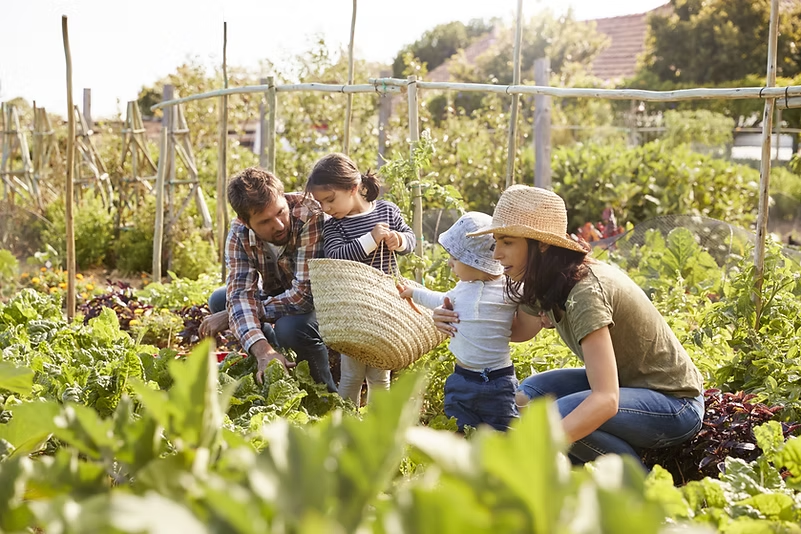
In a world that is becoming increasingly disconnected from the sources of our food, it is essential to instill in children a deep appreciation for agriculture and farming. Engaging children in farming activities not only connects them with nature but also offers a myriad of benefits that contribute to their holistic development. In this blog post, we will explore the numerous advantages of involving children in farming.
Educational Opportunities:
Farming provides an immersive and hands-on learning experience for children. From understanding the life cycle of plants to learning about different crops and animals, the farm becomes a living classroom. Children can develop essential skills in science, biology, and environmental studies through practical, real-world experiences.
Responsibility and Work Ethic:
Caring for plants and animals on a farm instills a sense of responsibility in children. They learn the importance of commitment and hard work as they take on tasks such as watering plants, feeding animals, and maintaining the farm environment. This early exposure helps shape a strong work ethic that can benefit them throughout their lives.
Healthy Lifestyle:
Farming encourages an active and outdoor lifestyle. Children get ample physical exercise through activities like planting, harvesting, and tending to animals. This engagement with nature promotes overall well-being, contributing to both physical health and mental resilience.
Connection with Food Sources:
Understanding where food comes from is a crucial aspect of fostering healthy eating habits. Involving children in farming allows them to witness the journey from seed to table, cultivating a deeper appreciation for the food they consume. This connection can lead to healthier food choices and a greater awareness of sustainability.
Development of Life Skills:
Farming teaches children a range of life skills, including problem-solving, teamwork, and adaptability. Nurturing plants and animals requires creative problem-solving when challenges arise, fostering resilience and critical thinking. Working collaboratively on the farm also builds teamwork and communication skills.
Environmental Awareness:
Children who engage in farming develop a strong connection with the environment. They learn about the importance of soil health, water conservation, and the delicate balance of ecosystems. This heightened environmental awareness instills a sense of responsibility towards the planet and encourages sustainable practices.
Emotional Well-being:
Spending time in nature has been linked to improved emotional well-being. Farms offer a serene and calming environment where children can connect with the natural world. This connection helps reduce stress, anxiety, and promotes a sense of peace and tranquility.
Incorporating farming activities into children’s lives goes beyond cultivating crops; it cultivates essential life skills, a love for nature, and a deeper understanding of the world around them. The benefits of involving children in farming are far-reaching, contributing to their education, character development, and overall well-being. As we strive to raise future generations with a strong connection to the earth, introducing them to the wonders of farming is a powerful and transformative step.