In today’s rapidly changing world, the need for effective leadership has never been more crucial. As educators and parents, we play a pivotal role in shaping the leaders of tomorrow. Creating an environment that fosters leadership skills in a developmentally appropriate way is key to nurturing confident, capable, and empathetic future leaders. In this blog post, we will explore strategies for cultivating leadership qualities in children both in the classroom and at home.
Understanding Developmental Stages:
Children go through various developmental stages, each presenting unique opportunities for building leadership skills. Recognizing and tailoring approaches to these stages is essential for success.
Early Childhood (Preschool and Kindergarten):
– Foster social skills: Encourage collaborative play and activities that involve sharing and taking turns.
– Teach emotional intelligence: Help children identify and express their emotions, promoting empathy towards others.
– Provide simple leadership roles: Assign small tasks that involve responsibility, such as line leader or snack helper.
Elementary Years:
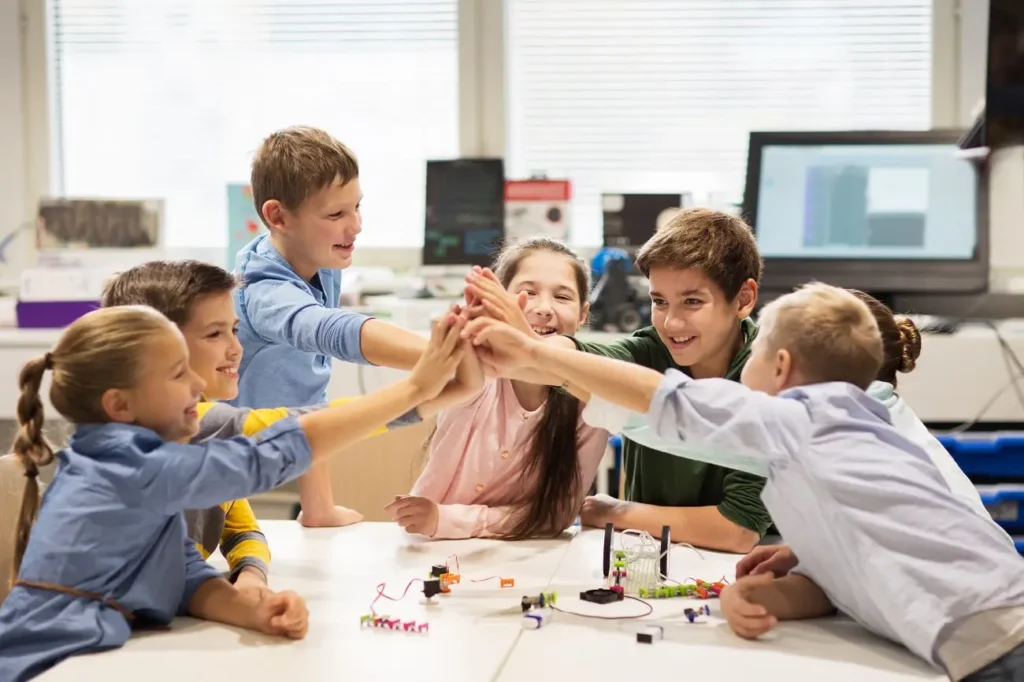
– Cultivate teamwork: Incorporate group projects and activities that require collaboration and communication.
– Encourage decision-making: Allow children to make choices within boundaries, promoting a sense of autonomy.
– Introduce goal-setting: Teach the importance of setting and working towards achievable goals.
Middle School:
– Develop communication skills: Emphasize effective communication through class presentations, group discussions, and debates.
– Promote resilience: Teach coping mechanisms for setbacks and failures, fostering resilience in the face of challenges.
– Provide leadership opportunities: Allow students to take on roles like team captain, club president, or class representative.
Strategies for Classroom Leadership Development:
Student Councils and Clubs:
– Establish student-led councils or clubs where students can actively participate in decision-making processes.
Service Learning Projects:
– Engage students in community service projects, instilling a sense of responsibility and empathy.
Leadership Workshops:
– Host workshops focusing on leadership skills, including communication, problem-solving, and teamwork.
Shaping Leaders at Home:
Lead by Example:
– Demonstrate positive leadership behaviors at home, emphasizing qualities like integrity, responsibility, and compassion.
Encourage Responsibility:
– Assign age-appropriate chores and tasks, teaching children the importance of contributing to the household.
Open Communication:
– Create an environment where children feel comfortable expressing their thoughts and ideas, fostering effective communication.
Set Family Goals:
– Establish family goals and involve children in the decision-making process, promoting a shared sense of achievement.
Shaping future leaders involves a holistic approach that combines the efforts of educators and parents. By recognizing and respecting the developmental stages of children, we can implement developmentally appropriate strategies in both the classroom and at home. Through fostering collaboration, communication, and a sense of responsibility, we can empower the next generation to become compassionate and effective leaders in an ever-evolving world.