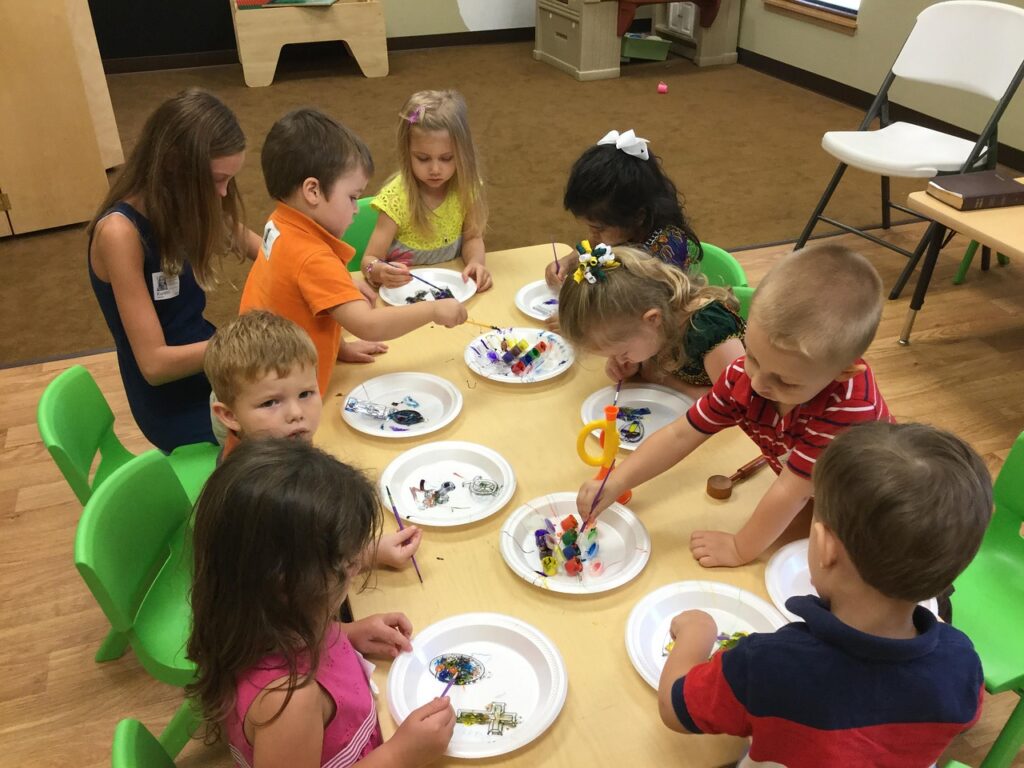
As parents, teachers, or caregivers, one of our essential roles is guiding children on their journey of growth and development. Constructive feedback plays a crucial role in shaping their understanding of the world and fostering positive behavior. In this blog post, we’ll explore the art of providing constructive feedback to children, emphasizing the importance of encouragement and support.
Building a Foundation of Trust:
– Discuss the significance of trust in the parent-child or teacher-student relationship.
– Emphasize the impact of trust on a child’s willingness to accept feedback.
The Power of Positive Reinforcement:
a. Acknowledging Effort:
– Highlight the importance of recognizing and appreciating a child’s efforts.
– Share examples of positive reinforcement that focus on the process, not just the end result.
b. Celebrating Achievements:
– Discuss the role of celebrating achievements in boosting a child’s confidence.
– Provide ideas for meaningful celebrations that motivate continued growth.
Specific and Actionable Feedback:
– Emphasize the need for specific and actionable feedback.
– Provide examples of how to frame feedback in a way that helps children understand what they did well and how they can improve.
Encouraging a Growth Mindset:
– Define and explain the concept of a growth mindset.
– Share strategies for fostering a growth mindset in children through feedback.
Setting Realistic Expectations:
– Discuss the importance of setting age-appropriate and realistic expectations.
– Explore the impact of setting goals that challenge children without overwhelming them.
Creating a Safe Space for Communication:
– Emphasize the importance of open and honest communication.
– Provide tips on creating a safe environment where children feel comfortable expressing themselves and receiving feedback.
Balancing Criticism with Encouragement:
– Discuss the balance between pointing out areas for improvement and highlighting strengths.
– Share the impact of maintaining a positive and encouraging tone.
Teaching Problem-Solving Skills:
– Discuss how feedback can be an opportunity to teach problem-solving skills.
– Provide examples of guiding children to find solutions on their own.
Being an Active Listener:
– Stress the significance of active listening when children express themselves.
– Share the positive impact of validating their feelings and thoughts.
Providing constructive feedback to children is an art that involves a delicate balance of encouragement, positivity, and guidance. By building trust, emphasizing positive reinforcement, and fostering a growth mindset, we can contribute to a child’s overall development. Let’s create an environment where feedback becomes a tool for empowerment, helping children navigate challenges and flourish into confident and resilient individuals.