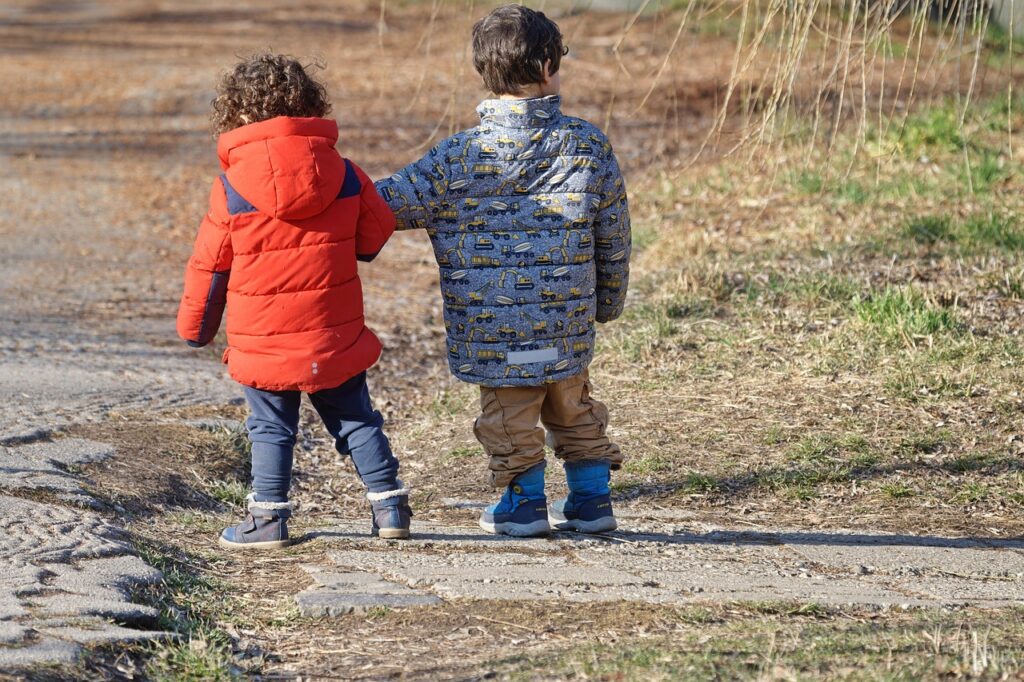
Winter has a way of magnifying emotions—for adults and children alike. Shorter days, less sunlight, and more time indoors can leave young children feeling restless, dysregulated, or overwhelmed. At Chickadee Ridge Early Learning Center, we see this not as a problem to fix, but as a signal to lean into what children need most: movement, fresh air, and connection.
In our family home early learning environment, outdoor play remains an important part of our rhythm year-round, even during the colder months. With the right clothing and thoughtful pacing, winter becomes a powerful teacher.
Big Feelings Have a Purpose
Young children experience emotions in their bodies first. When they have limited opportunities to move, explore, and release energy, those feelings often surface in ways that look like frustration, impulsivity, or tears.
These moments aren’t signs of defiance—they’re signs that a child’s nervous system is asking for support.
Outdoor play offers that support naturally. Fresh air, wide open space, and full-body movement help children regulate themselves in ways that indoor environments often can’t.
Why We Go Outside—Even in Winter
Winter outdoor play looks different than summer play, but it’s just as valuable. Bundling up, feeling the cold air, noticing breath in the air, or crunching frozen leaves engages the senses in grounding ways.
For preschool-aged children especially, these experiences build resilience. Children learn that discomfort can be temporary, that their bodies are capable, and that they can adapt to changing environments. These are emotional lessons that stay with them far beyond early childhood.
In a small, home-based setting, we’re able to stay responsive—adjusting time outside, offering movement breaks, and tuning in to each child’s cues.
Movement as Emotional Regulation
Running, climbing, balancing, and exploring outdoors helps children process feelings they don’t yet have words for. Movement supports focus, cooperation, and calm once children return indoors.
We often see children come back from winter outdoor play more centered—ready to engage in quiet play, storytelling, or collaborative activities. The outdoors doesn’t overstimulate; it regulates.
Learning Resilience Through Experience
Winter teaches patience, flexibility, and awareness. Children learn how to put on layers, notice how their bodies feel, and communicate their needs. They experience manageable challenges with trusted adults nearby.
In a family home early learning setting, these moments are unrushed and relational. Children are supported as individuals, not pushed through a schedule.
Supporting the Whole Child
At Chickadee Ridge, we care for children ages 6 weeks through 6 years, with a preschool-focused approach that honors both emotional development and curiosity-driven learning. Winter outdoor play supports infants’ sensory awareness, toddlers’ need for movement, and preschoolers’ growing independence and confidence.
It’s not about being tough—it’s about being supported.
A Season for Balance
Winter doesn’t ask children to be still. It asks adults to notice what children need and respond with intention. When we provide opportunities for movement, fresh air, and connection, children find their balance again.
If you’re seeking a family home early learning program that values emotional well-being, nature-based play, and gentle guidance, Chickadee Ridge currently has limited openings and welcomes families looking for something smaller, calmer, and deeply connected.
Closing Reflection
Big feelings are part of growing. Fresh air, steady relationships, and time to move help children find their way through them—one winter day at a time.